

Table of Contents
- Vintage Sports Decor as an Alternative Asset Class
- Key Factors That Determine Vintage Sports Decor Value
- Passion-Based Collecting vs. Financial Investing
- Market Volatility and Risk in Vintage Sports Collectibles
- Sports Memorabilia Investment Guide: Practical Steps
- How to Display Vintage Sports Memorabilia and Protect Value
- Upcycled Sports Decor Trends and Modern Alternatives
- Interior Design vs. Asset Value: Finding the Balance
- Frequently Asked Questions
Last Updated: September 2, 2026
Vintage Sports Decor as an Alternative Asset Class
Is vintage sports decor a good investment? It depends on your goals and approach. Unlike traditional financial assets, vintage sports memorabilia occupies a unique space between passion collecting and serious portfolio diversification. At MoonlightWeave, we transform vintage sports decor from nostalgic wall decoration into unique home accessories.
Vintage sports decor functions as an alternative asset class because it combines tangible value with emotional attachment and creates a dedicated market with its own pricing dynamics. However, treating it purely as an investment vehicle requires understanding that this asset class operates differently from traditional investments. Market volatility is real, authentication challenges are significant, and liquidity depends heavily on rarity, condition, and provenance.
Key Factors That Determine Vintage Sports Decor Value
Several concrete factors separate high-value vintage sports decor from pieces that plateau in price.
Rarity and Numbered Variations
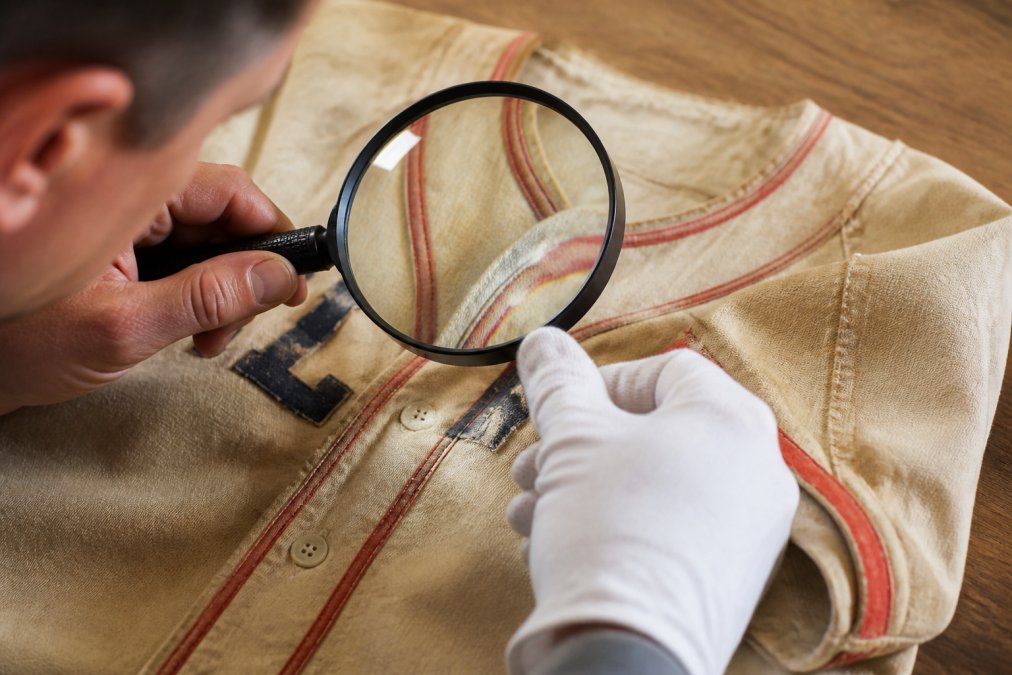
Rarity is the single most powerful value driver in vintage sports decor. A 1934 Chicago Cubs doormat or a 1950 Philadelphia Eagles mixing glass holds value because few survived in good condition. Numbered variations, limited edition runs, specific printing dates, or regional releases command premiums because collectors understand scarcity.

When evaluating rarity, look for specific production details: production numbers, date stamps, or evidence of limited runs. Items from defunct teams or leagues, championship-year memorabilia, or pieces featuring Hall of Famers typically appreciate faster than generic team merchandise. Common mistakes include assuming all vintage sports decor from the same era has equal value or confusing "old" with "rare." A mass-produced item from 1960 isn't automatically more valuable than a limited-edition piece from 1990.
Graded Condition and Authentication
Condition determines resale value more than almost any other factor. A piece in pristine condition commands 3-5 times the price of the same item in poor condition. For textiles like vintage sports blankets or jerseys, condition includes colorfastness, structural integrity, and absence of stains or repairs. For ceramics, condition means no chips, cracks, or fading.
Authentication separates legitimate investments from counterfeits. Professional grading services verify authenticity and assign condition grades that buyers trust. When considering a piece as an investment, authentication documentation becomes non-negotiable.
Preservation during storage and display directly affects condition. Exposure to direct sunlight fades colors. Moisture damages textiles. Temperature fluctuations crack ceramics. Proper environmental control is essential to protecting your capital.
Provenance and Historical Significance
Provenance, the documented ownership history of an item, adds credibility and value. Pieces directly tied to significant sporting moments command premiums because collectors pay for historical connection. The 1932 Chicago Cubs-New York Yankees World Series ticket doormat carries weight because it represents a specific era in baseball history.
Documentation matters. Auction house catalogs, previous ownership records, or museum exhibition history strengthen provenance. If you're buying vintage sports decor as an investment, ask for documentation about where the piece came from and how it's been stored.
Passion-Based Collecting vs. Financial Investing
Vintage sports decor appeals to both passionate fans and financial investors, and these two groups have completely different priorities.
Passion collectors buy what they love and value emotional connection over resale potential. Financial investors buy for capital appreciation, focusing on authenticated rarity, condition grades, and documented provenance. The problem: trying to do both simultaneously usually fails. You either compromise on financial returns by overpaying for emotional attachment, or you sacrifice enjoyment by treating something you love as purely financial.
Market Volatility and Risk in Vintage Sports Collectibles
Vintage sports decor markets experience real volatility. Unlike stock markets with daily pricing, collectibles markets are fragmented. A piece might sell for $300 one year and $450 three years later, or drop to $150 if market sentiment shifts.
Collector preferences change over time. Economic downturns hit discretionary spending hard. New discoveries of rare pieces can flood the market and depress prices. Authentication scandals can undermine entire categories if counterfeits are discovered.
The liquidity challenge is real. Unlike stocks you can sell instantly, vintage sports decor takes time to find the right buyer. A rare piece might be worth $5,000 in theory, but if you need to sell quickly, you might accept $3,500. Diversification within the asset class helps: owning pieces from multiple teams, eras, and sports reduces risk compared to concentrating in a single niche.
Sports Memorabilia Investment Guide: Practical Steps
If you're serious about vintage sports decor as an investment, follow a structured approach.
Step 1: Define Your Investment Thesis. Decide what you're investing in, championship-year memorabilia, pieces from a specific team or era, or items from defunct leagues. Your thesis guides every purchase decision.
Step 2: Research Comparable Sales. Before buying, research what similar pieces have sold for. Look at 3-5 comparable sales over the past 12-24 months to understand pricing trends.
Step 3: Authenticate Everything. Never buy vintage sports decor as an investment without authentication. A $50 authentication fee on a $500 piece is cheap insurance against counterfeits.
Step 4: Document Condition Thoroughly. Take detailed photos and notes about condition. This documentation becomes your resale tool.
Step 5: Store Properly. Maintain consistent temperature (65-70°F), humidity (40-50%), and protect from direct sunlight. For textiles, use acid-free storage materials. For ceramics, use individual padding.
Step 6: Track Your Investment. Keep records of purchase price, authentication details, condition documentation, and storage costs. Calculate your actual return accounting for all expenses.
Step 7: Plan Your Exit. Before buying, identify potential buyers. Understanding your exit strategy prevents getting stuck with illiquid assets.
How to Display Vintage Sports Memorabilia and Protect Value
Here's the tension: vintage sports decor looks best when displayed, but display accelerates deterioration.
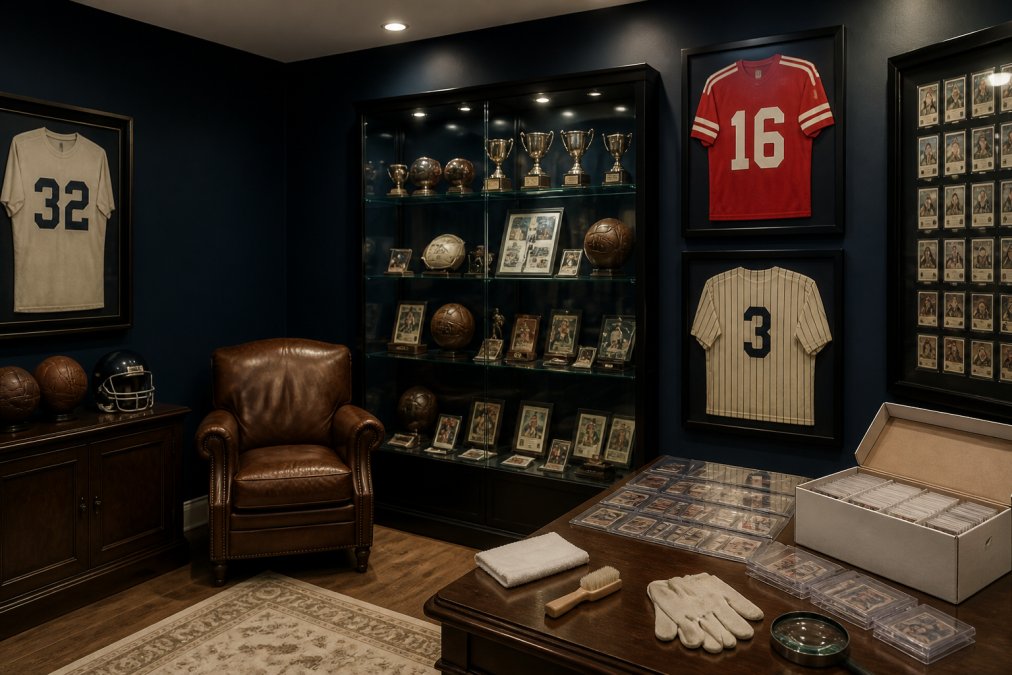
Climate Control is Non-Negotiable. Display cases or rooms should maintain 65-70°F and 40-50% humidity. Basements and attics fail this test consistently.
UV Protection Prevents Fading. Use UV-filtering glass or acrylic for display cases. Position pieces away from windows. Museum-quality LED lighting illuminates pieces without causing damage.
Textiles Require Special Care. Use acid-free storage materials and inspect regularly for moths, mold, or mildew. Avoid stacking pieces; each should have dedicated space.
Ceramics and Glass Need Padding. Store with individual padding to prevent chips. Display shelves should have lip guards to prevent accidental knocks.
Insurance Protects Against Loss. Homeowner's insurance typically doesn't cover collectibles adequately. Specialized collectibles insurance covers theft, damage, and loss.
The reality: displaying vintage sports decor reduces its investment value compared to climate-controlled storage. If you're treating the item purely as an investment, storage wins. If you're balancing investment potential with enjoyment, accept that display costs you some appreciation potential.
Upcycled Sports Decor Trends and Modern Alternatives
A growing trend in vintage sports decor is upcycling, transforming vintage memorabilia into functional home goods. Upcycled sports decor, like the handcrafted pieces MoonlightWeave creates from vintage memorabilia, represents a modern approach to vintage items. A 1950 Philadelphia Eagles mixing glass becomes functional barware rather than museum storage.
From an investment perspective, upcycled sports decor operates differently than original vintage pieces. The transformation adds value if executed well, but upcycled pieces don't have the same appreciation potential as authenticated original memorabilia because they're newer creations. This trend reflects a market shift toward functional vintage-inspired pieces over pure collectibles.
For investors, understanding this trend matters because upcyclers source vintage memorabilia, reducing supply for traditional collectors. However, it also creates new markets, expanding the overall market for vintage sports items.
Interior Design vs. Asset Value: Finding the Balance
The fundamental tension in vintage sports decor is this: the best pieces for interior design aren't always the best investments, and vice versa.
From a design perspective, vintage sports decor works when it complements your space. From an investment perspective, design appeal is irrelevant. What matters is rarity, condition, authentication, and documented provenance.
The best approach depends on your primary goal. If you're decorating, buy what you love and accept that resale value is secondary. If you're investing, ignore design appeal and focus on factors that drive collector demand.
MoonlightWeave offers a practical middle ground: handcrafted vintage-inspired pieces that deliver design value and nostalgic appeal without requiring you to lock away valuable memorabilia in climate-controlled storage. You get the visual appeal of vintage sports decor in your home combined with functional utility.
Conclusion
Is vintage sports decor a good investment? The answer depends on your timeline, research discipline, and willingness to accept market volatility. For investors with patience and authentic interest in the category, vintage sports memorabilia can appreciate meaningfully, but only if you focus on authenticated rarity, documented provenance, and proper preservation.
For most people, the real value lies in enjoying the pieces. MoonlightWeave specializes in transforming vintage memorabilia into handcrafted home accessories, doormats, wall clocks, mixing glasses, and ceramic mugs, that let you celebrate sports history in your daily life. Our 1934 Cubs doormat, 1950 Eagles mixing glass, and 1967 World Series ceramic mug combine authentic vintage appeal with functional utility. You get the nostalgia and design impact without treating valuable memorabilia as locked-away investments. Explore our collection and find the perfect vintage sports piece for your home.


Frequently Asked Questions
Q: What factors determine the value of vintage sports decor?
A: Vintage sports decor value depends on rarity, condition, authentication, and historical significance. Items from iconic moments or limited-edition runs command higher prices. Graded condition matters significantly, pristine pieces outpace damaged ones. Provenance, or documented ownership history, adds credibility. Market demand for specific teams, eras, or athletes also influences resale value. Collectible market trends and auction house sales data help establish current pricing.
Q: Is vintage sports decor a good investment compared to other collectibles?
A: Vintage sports decor can be a solid alternative asset class, but it carries market volatility and liquidity challenges. Unlike stocks, physical items require proper storage and preservation. Capital appreciation depends on rarity, condition, and collector demand. It works best as a passion investment, you enjoy owning it while hoping for long-term appreciation. Financial returns are less predictable than traditional investments, so diversify your portfolio rather than treating it as your primary investment vehicle.
Q: How does upcycled sports memorabilia compare to raw collectibles as an investment?
A: Upcycled sports decor transforms original memorabilia into functional items like blankets, doormats, and home accessories. While raw collectibles (cards, jerseys, tickets) preserve intrinsic value for resale, upcycled pieces prioritize interior design and daily use. Upcycled items appeal to decorators and casual fans but may have lower resale value since the original item is altered. For investment purposes, raw collectibles typically hold more speculative buying potential, though upcycled pieces offer unique aesthetic value and broader appeal to non-collectors.
Q: What are the main risks of investing in vintage sports decor?
A: Market saturation, counterfeit detection challenges, and condition deterioration are primary risks. Liquidity is limited, finding buyers quickly can be difficult. Authentication gaps exist, especially for items without professional grading. Physical preservation requires climate control, proper storage, and insurance. Speculative buying can inflate prices, creating market fluctuations that harm long-term investors. Trends shift; yesterday's hot item may lose collector demand. Always verify authenticity through reputable auction houses or professional appraisers before committing significant capital.
This article was written using GrandRanker