

Table of Contents
- Define Your Vision and Subject Matter
- How to Find Sports Artists for Hire
- Vetting Artist Portfolios and Artistic Style
- Gathering Reference Photos and Creative Brief
- Understanding Average Cost of Custom Sports Art
- Drafting a Sports Art Commission Contract
- Timeline, Revisions, and Final Approval
- Conclusion
Last Updated: August 19, 2026
Define Your Vision and Subject Matter
Before you reach out to any artist, you need to know exactly what you want. This is the foundation of how to commission custom sports art that actually matches your vision. Many people skip this step and end up disappointed because they haven't thought through the details that separate a great piece from a mediocre one.
Start by asking yourself what subject matter matters most. Are you commissioning a portrait of your favorite player? A scene from a memorable game? Your team's logo reimagined in a specific style? The more specific you can be about the subject, the better the artist can deliver. Vague requests like "something with hockey" give artists too much room to guess, and guesses rarely land where you hoped.
Next, think about the emotional tone you want the piece to convey. Should it feel nostalgic and vintage-inspired, celebrating memorabilia from decades past? Should it be bold and energetic, capturing the intensity of competition? Should it be intimate and personal, highlighting a specific moment that meant something to you? This emotional direction shapes every decision the artist makes about composition, color palette, and technique.
Consider the size and placement where you'll display the work. A piece destined for a bedroom wall has different requirements than one going above a living room sofa or into a home office. The dimensions affect how much detail the artist can include and what artistic medium makes sense. A small piece might work beautifully as a digital illustration, while a large wall installation might demand oil on canvas or a textile-based approach.
Finally, think about your budget range before you talk to artists. You don't need exact numbers yet, but knowing whether you're thinking of a modest investment or something more substantial helps you target the right creators. This prevents wasting time with artists whose typical pricing doesn't align with what you're willing to spend.
How to Find Sports Artists for Hire
Finding the right artist for your commission custom sports art project takes deliberate searching. The best artists aren't always the ones with the biggest social media followings. Many talented creators work quietly through word-of-mouth and portfolio referrals.
Start with targeted searches on platforms built for artists and freelancers. Look for creators who specifically mention sports art, custom commissions, or athletic subjects in their portfolios. Search terms like "sports portrait artist," "custom sports illustration," or "athletic memorabilia artwork" will surface people who've already built expertise in this niche. Avoid generic "commission artist" searches, you want specialists who understand the visual language of sports.
Social media is another reliable hunting ground. Instagram, in particular, hosts thousands of sports artists who post their work regularly. Use hashtags like #sportsart #customsportscommission #athleteportrait to find creators actively taking commissions. Follow several artists whose work resonates with you, even if you don't commission immediately. This builds a mental library of styles and approaches.
Ask in sports fan communities. Reddit forums dedicated to specific teams, Discord servers for collectors, and Facebook groups for sports memorabilia enthusiasts often have members who've commissioned custom artwork. These communities share real experiences, timelines, and honest feedback about artists they've worked with. Personal recommendations from people who've been through the process carry more weight than polished portfolios alone.
Check art marketplaces that specialize in custom work. Platforms designed for commissioning often vet their artists and provide dispute resolution if something goes wrong. These marketplaces make it easier to compare multiple creators side by side and see their past commissions.
Don't overlook local artists. If you live near an art school, gallery, or creative community, reaching out locally can yield surprising results. Local artists often have lower overhead and may offer more flexible timelines. You might also build a relationship with someone you can meet in person, which adds accountability and makes revisions easier.
Vetting Artist Portfolios and Artistic Style
Once you've identified potential artists, examining their portfolios becomes critical. A portfolio tells you everything about an artist's technical skill, consistency, and whether their artistic vision aligns with yours.
Look for artists who have completed similar projects. If you want a custom sports art piece featuring oil on canvas, find artists with proven experience in that medium. If you're drawn to digital illustration, seek creators whose digital work shows sophistication and control. An artist excellent at watercolor might struggle with the demands of your preferred artistic medium. Consistency across their portfolio matters, you want to see that their quality doesn't fluctuate wildly from piece to piece.
Pay attention to how the artist handles detail and composition. Do they capture likeness accurately? How do they arrange figures within the frame? Do they use color palette in ways that feel intentional and sophisticated? These details matter because they'll determine whether your final piece feels polished or amateurish.
Check the artist's revision process. Many portfolios include before-and-after shots or process documentation. This shows how the artist responds to feedback and whether they're willing to iterate. An artist who's defensive about changes or charges heavily for revisions might create friction during your commission.
Look at their timeline. How long do their typical projects take? Do they deliver on schedule? Some artists are prolific and fast; others are meticulous and slow. Neither is inherently wrong, but you need to know which type you're hiring so you can plan accordingly. If you need the piece by a specific date, an artist known for taking months isn't the right fit.
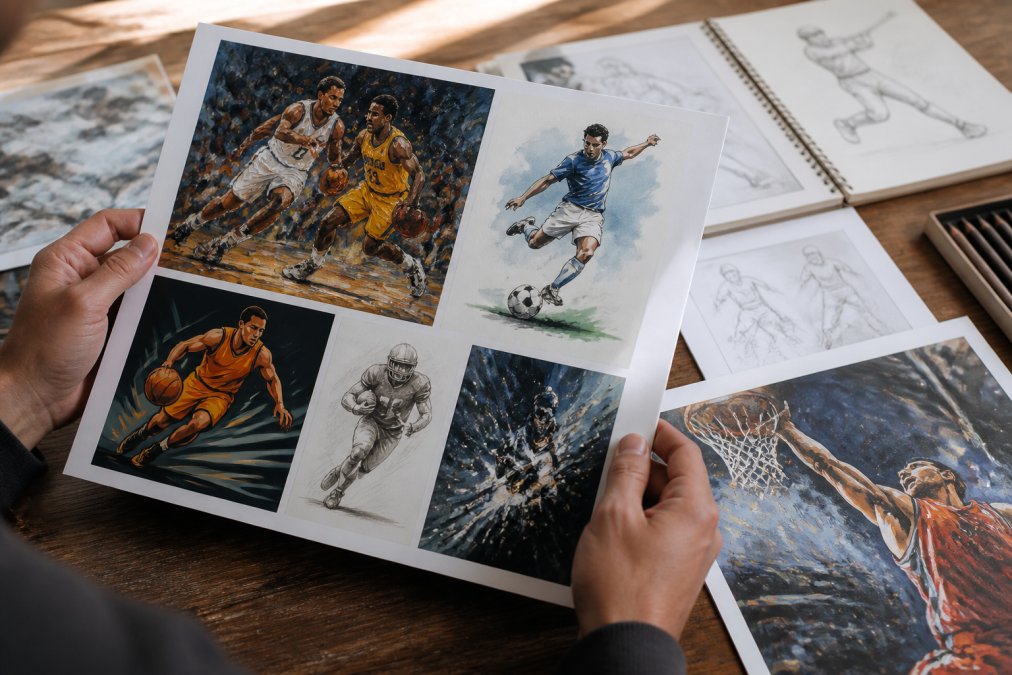
Read reviews or testimonials from past clients. What do people say about communication? Did the artist deliver what was promised? Were they flexible when issues arose? Were they professional and respectful? These secondhand accounts give you insight into what it's actually like to work with someone.
Finally, trust your gut about artistic style. You might find an artist with flawless technical skills whose work simply doesn't speak to you. That's fine, move on. The best commission custom sports art comes from pairing your vision with an artist whose style naturally complements it, not from forcing a match with someone technically perfect but aesthetically misaligned.
Gathering Reference Photos and Creative Brief
The quality of your reference materials directly impacts the quality of your final piece. Vague references lead to vague results. Specific, high-quality references lead to artwork that captures exactly what you envisioned.
Collect multiple reference photos from different angles if possible. If you're commissioning a portrait of a specific player, gather images showing their face from the front, three-quarter view, and side profile. If you're recreating a memorable game moment, find photos from that game that show the action, the setting, and the emotional intensity. The more visual information you provide, the more the artist can work from.
Pay attention to lighting in your references. The way light falls on a face or object shapes how an artist will render it. If you want dramatic, moody lighting, provide references that show that kind of lighting. If you prefer bright, evenly lit imagery, gather references that reflect that.
Include references for the artistic medium you want. If you're commissioning oil on canvas, show the artist examples of oil paintings you admire. If you want digital illustration, gather digital pieces that inspire you. This helps the artist understand your aesthetic preferences and the technical approach you're expecting.
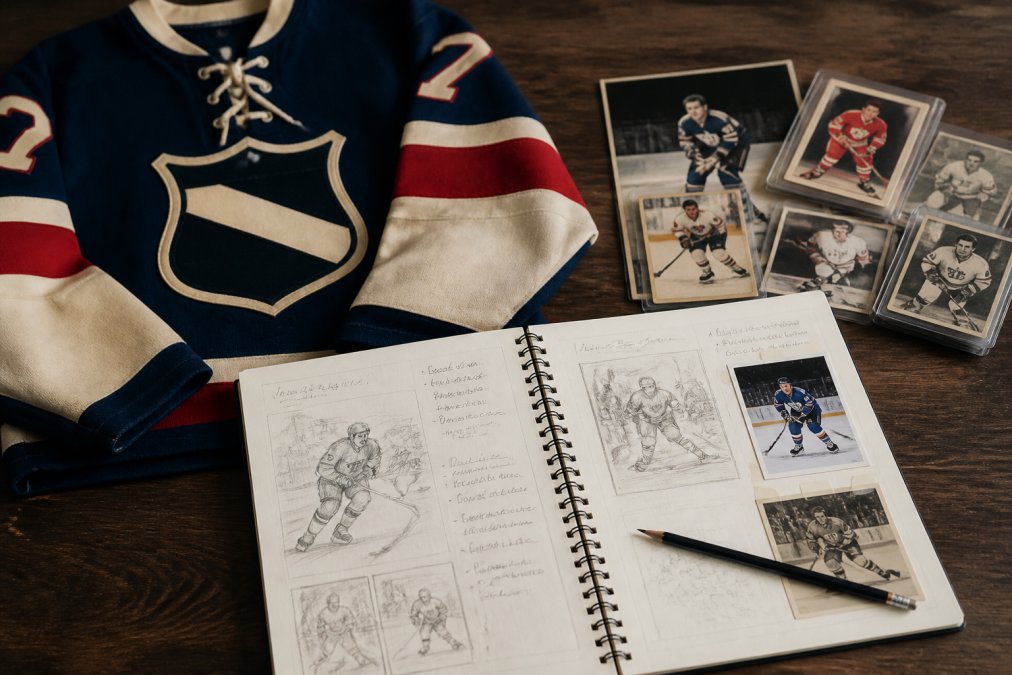
Write a detailed creative brief. Don't assume the artist will intuit what you want. Explain the subject matter, the emotional tone, the intended size, where it will be displayed, and any specific details that matter to you. If this piece commemorates a particular memory or achievement, say so. If you want certain colors emphasized or avoided, mention it. A thorough brief prevents misunderstandings and gives the artist the direction they need to succeed.
Be clear about what you're providing. Are you sending physical memorabilia like a signed jersey? Are you providing only photos? Are you expecting the artist to incorporate specific elements like team logos or colors? Clarity about what materials the artist will work from prevents confusion.
Discuss any limitations or constraints upfront. If you have a tight deadline, say so. If you have budget constraints, be honest. If there are elements you absolutely cannot compromise on, flag them. These conversations happen best before the contract is signed, not halfway through the project.
Understanding Average Cost of Custom Sports Art
Pricing for custom sports art varies dramatically based on several factors. There's no single "average cost" because the work ranges from modest commissions to high-end fine art pieces.
The artistic medium heavily influences price. Digital illustration typically costs less than oil on canvas or other traditional mediums because the artist doesn't need to source materials or manage physical shipping logistics. A digital piece might be significantly more affordable than the same composition rendered in oil or watercolor.
The artist's experience and reputation matter. Established artists with extensive portfolios and strong demand command higher rates than emerging creators. An artist who's been commissioned hundreds of times and has a waiting list can charge more than someone just starting out. This isn't unfair, experience and proven quality have real value.
Complexity of the subject affects pricing. A simple portrait costs less than a complex scene with multiple figures, detailed backgrounds, and intricate composition. If you're commissioning a piece that includes your memorabilia integrated into the artwork, that's more complex than a straightforward portrait and typically costs more.
Size plays a significant role. Larger pieces require more time, more materials, and more physical effort. A small digital illustration costs far less than a large oil painting on canvas.
Timeline impacts cost. If you need the piece quickly, expect to pay a rush fee. Artists who work on tight deadlines often charge premium rates because they're deprioritizing other work. If you can give an artist weeks or months, they can fit your project into their normal workflow at standard rates.
For specific pricing information tailored to your project, reach out directly to artists you're considering. Most will provide quotes based on your specific requirements. MoonlightWeave can help you understand what custom handcrafted sports pieces look like, though their approach focuses on transforming vintage memorabilia into fabric goods and home accessories rather than commissioning original artwork.
Drafting a Sports Art Commission Contract
A written contract protects both you and the artist. It sounds formal and maybe unnecessary, but it prevents misunderstandings that damage relationships and derail projects. A proper sports art commission contract clarifies expectations about deliverables, timeline, payment, and what happens if things go wrong.
The contract should specify exactly what you're commissioning. Describe the subject matter, the artistic medium, the dimensions, and any specific elements that must be included. "A sports portrait" is too vague. "A 24x36 inch oil on canvas portrait of [specific player] in [specific uniform], showing their face from the front, with [team colors] background" is clear enough that disputes become unlikely.
Define the timeline explicitly. When does the artist start? What's the expected completion date? Are there intermediate milestones (rough sketch approval, color study approval, etc.)? What happens if the artist misses the deadline? What happens if you request a deadline change? Clear timeline language prevents the frustration of wondering when your piece will actually arrive.
Specify payment terms and deposit structures. Many artists require a deposit upfront, often 25-50% of the total fee, to secure the commission and begin work. The remainder is due upon completion or delivery. Some artists ask for payment in installments tied to project milestones. Clarify exactly when each payment is due and what triggers it.
Address revision rights. How many rounds of revisions are included? What counts as a revision versus a major change? If you request something substantially different from what was agreed, does the artist charge extra? Most artists include 1-3 rounds of minor revisions in their base fee but charge for extensive changes. Getting this in writing prevents arguments later.
Clarify copyright and usage rights. Who owns the original artwork? Can you reproduce it? Can the artist use photos of the finished piece in their portfolio? These questions matter legally and emotionally. Many artists retain copyright to original pieces but grant you the right to display and use the work personally. Get the specifics in writing.
Include a clause about what happens if the artist can't complete the work. What's their obligation? Do they refund your deposit? Do they connect you with another artist? Illness, emergency, or business closure can derail a project, and you want to know your recourse before it happens.
Address shipping and insurance. Who pays for shipping? Who's responsible if the piece is damaged in transit? Who bears the financial loss? These details matter, especially for expensive pieces. Consider requiring the artist to insure the work during shipping, or agree on shared responsibility.
Include a communication protocol. How often will the artist check in? What's your preferred method of contact? How quickly should each party respond to messages? Miscommunication frustrates both sides, and clear expectations help prevent it.
Timeline, Revisions, and Final Approval
Understanding how long commission custom sports art actually takes helps you plan realistically. Many people underestimate the timeline, leading to frustration and rushed work that suffers in quality.
Most custom sports art commissions take 4-12 weeks from start to finish, depending on the artist's workload and the complexity of the piece. Some artists work faster; others are more meticulous. An artist with a backlog of commissions might take longer than someone just starting out. Ask the artist upfront what their typical timeline is and where you fall in their queue.
The revision process adds time. After the artist completes the initial work, you'll likely request changes. Maybe the color palette needs adjustment. Maybe a detail isn't quite right. Maybe the composition feels off. The artist incorporates your feedback and revises. This back-and-forth typically takes 2-4 weeks total, though it depends on how many rounds of revisions happen and how quickly both parties respond.
Be specific about what you want changed. "I don't like it" doesn't help. "The background color is too dark, I want it lighter to match the team's secondary color" gives the artist actionable direction. Vague feedback leads to revisions that don't actually address your concern.
Understand that some things can't be changed easily once the work is underway. If you commissioned an oil painting and halfway through decide you want it to be digital instead, that's a fundamental change that requires starting over. Major changes mid-project often incur additional fees or timeline extensions. Minor adjustments within the original scope are usually included in the revision process.
Final approval happens when you and the artist agree the piece matches what was commissioned. At this point, you typically make final payment and arrange for delivery or pickup. Don't approve the final piece until you're genuinely satisfied. Once you've signed off, requesting major changes becomes difficult and expensive.
Conclusion
Commissioning custom sports art transforms how you celebrate your favorite teams and memories. The process requires clarity about your vision, patience with the artistic timeline, and realistic expectations about cost. MoonlightWeave specializes in transforming vintage sports memorabilia into handcrafted fabric goods and home accessories, blankets, luggage tags, and functional decor that let you celebrate your sports passion in everyday life. Whether you're commissioning original artwork or exploring handcrafted alternatives, the key is working with creators who understand your vision and deliver quality work that lasts. Get started by defining exactly what you want, finding an artist whose style matches your aesthetic, and putting everything in writing before work begins.
Frequently Asked Questions
How much does it cost to commission custom sports art?
The average cost of custom sports art depends on factors like the artist's experience, the artistic medium (oil on canvas versus digital illustration), size, complexity, and revision requests. Pricing varies significantly based on whether you want an original piece or print reproduction rights. Contact MoonlightWeave or individual artists directly for quotes tailored to your specific project requirements and budget.
What should I include in a sports art commission contract?
A sports art commission contract should specify the final price, deposit amount, payment schedule, timeline for completion, revision limits, copyright and usage rights, and what happens if either party cancels. It should also detail the artistic medium, dimensions, subject matter, and delivery method. Having a written agreement protects both you and the artist by setting clear expectations upfront.
How long does a custom sports art commission typically take?
Timeline varies by artist and project complexity. Simple digital illustrations might take 2-4 weeks, while detailed oil paintings can take 6-12 weeks or longer. Discuss your deadline early, if you need the piece for a specific date like a birthday or anniversary, the artist may charge a rush fee or decline if their schedule doesn't allow it. Build in extra time for revisions and shipping.
What information do I need to provide to a sports artist?
Provide high-quality reference photos of the subject, your artistic vision for style and mood, specific colors or elements you want included, dimensions and framing preferences, and any personal details that matter (team colors, jersey numbers, memorable moments). The more detailed your creative brief, the better the artist can capture your vision. Include information about the artistic medium you prefer and whether you want an original piece or reproduction rights.
This article was written using GrandRanker