

Table of Contents
- What Drives the Cost of Handmade Sports Memorabilia Gifts
- Best Practices for Pricing Custom Sports Art
- Sports Memorabilia Appraisal Costs and What to Expect
- Budget-Friendly vs. Premium Handmade Options
- The Psychology of Gift-Giving in Sports Fandom
- Maintenance and Preservation Costs for Your Collection
- Resale Value and Investment Potential
- Conclusion
Last Updated: August 14, 2026
What Drives the Cost of Handmade Sports Memorabilia Gifts
The price of handmade sports memorabilia gifts reflects far more than materials and labor. You're paying for authenticity, craftsmanship, and the emotional value embedded in vintage sports history. Understanding what determines cost helps you recognize genuine value.
At MoonlightWeave, we've seen how customers often underestimate what goes into transforming vintage memorabilia into functional, display-worthy pieces. A signed jersey or vintage pennant is a story, and when that story gets thoughtfully integrated into a blanket, towel, or home decor item, the pricing reflects the skill required to preserve both integrity and visual impact.
The real cost drivers fall into distinct categories: material quality, authenticity verification, craftsmanship, and appraisal. Let's break down each component.
Material Quality and Craftsmanship
Premium handmade sports memorabilia gifts start with material selection. A 1956 Baseball Baltimore Golf Towel at $23.95 uses durable microfiber construction specifically chosen to withstand repeated use while preserving vintage imagery. That material choice determines whether your gift lasts three years or ten.

Craftsmanship separates handmade pieces from mass-produced alternatives. A true artisan assesses the vintage memorabilia, determines how to best showcase it, considers color fading and wear patterns, and makes deliberate choices about composition and placement. This assessment phase alone can take hours for premium pieces.
The actual production, cutting, sewing, finishing edges, quality control, requires skilled hands. A blanket featuring vintage sports design isn't assembled on an automated line. Each piece gets individual attention. A golf towel with a grommet for cart attachment requires precision stitching and hardware installation. These details drive up labor costs and separate a special gift from a generic one.
Best Practices for Pricing Custom Sports Art
Pricing custom sports art requires balancing material costs, labor, authenticity verification, and fair profit margin with transparency about what each component represents.
A common mistake is thinking custom work should cost only slightly more than ready-made pieces. Custom work requires consultation time, design mockups, material sourcing, and often revision rounds. A custom piece that takes 15-20 hours to complete cannot be priced like a mass-produced item made in 2 hours.
The strongest pricing models use tiered structures. Entry-level custom pieces might range from $50-150. Mid-tier investment-grade pieces typically fall between $200-600. Premium collectible-quality work with authentication can exceed $1,000. These ranges reflect actual time and materials involved.
Transparency builds trust. The best custom artisans break down pricing clearly: material cost, labor hours at a stated rate, authentication fees if applicable, and profit margin. When customers see that a custom piece requires 12 hours of skilled work plus $80 in materials, a $300-400 price point makes sense.
Professional operations include a revision allowance in quoted prices. Most custom work involves at least one round of adjustments. Building that into the estimate prevents scope creep and keeps final costs predictable.
Sports Memorabilia Appraisal Costs and What to Expect
Before transforming valuable memorabilia into a custom gift, professional appraisal protects your investment and informs realistic pricing for custom work.
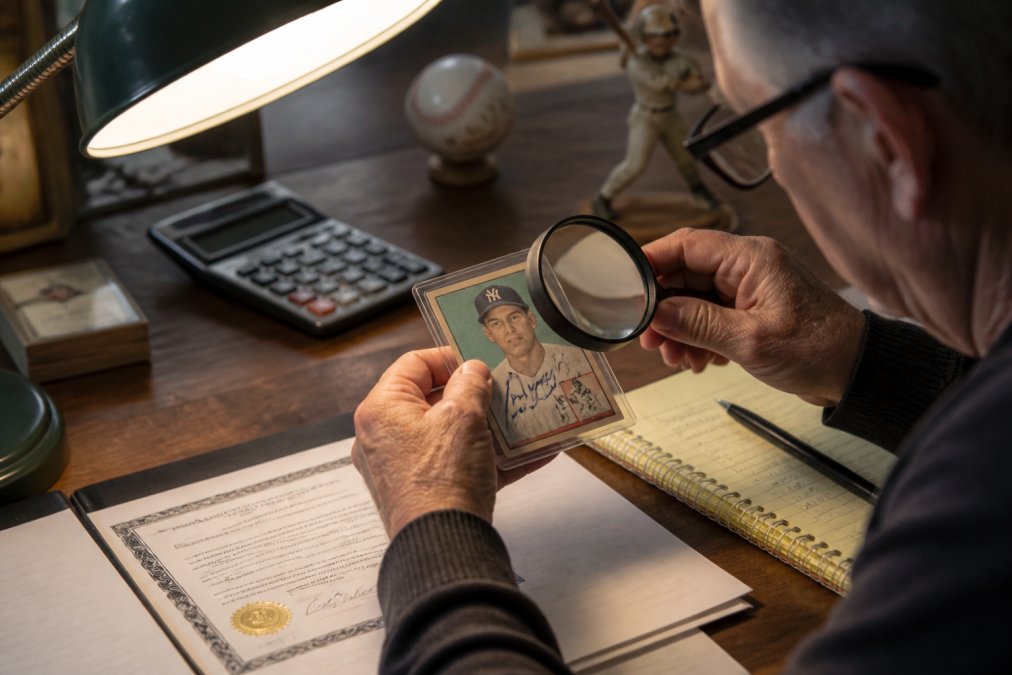
A formal memorabilia appraisal typically costs between $100-300 depending on item complexity and appraiser experience. For high-value pieces, signed jerseys, rare vintage cards, autographed equipment, appraisal fees can reach $500 or more. These aren't wasted expenses. An appraiser examines provenance, verifies authenticity, assesses condition, and provides documentation that supports resale value.
An appraisal report includes photographs, condition assessment, comparable market sales data, and professional valuation. This documentation helps you decide whether to transform the memorabilia into a custom gift or preserve it as-is for investment potential. Some pieces appreciate faster in original condition; others gain sentimental value through thoughtful customization.
Professional appraisers typically hold credentials from organizations like the American Society of Appraisers. Verify credentials before commissioning work. A certified appraiser's report carries more weight than amateur opinion, especially if you need the valuation for insurance or resale purposes.
Budget-Friendly vs. Premium Handmade Options
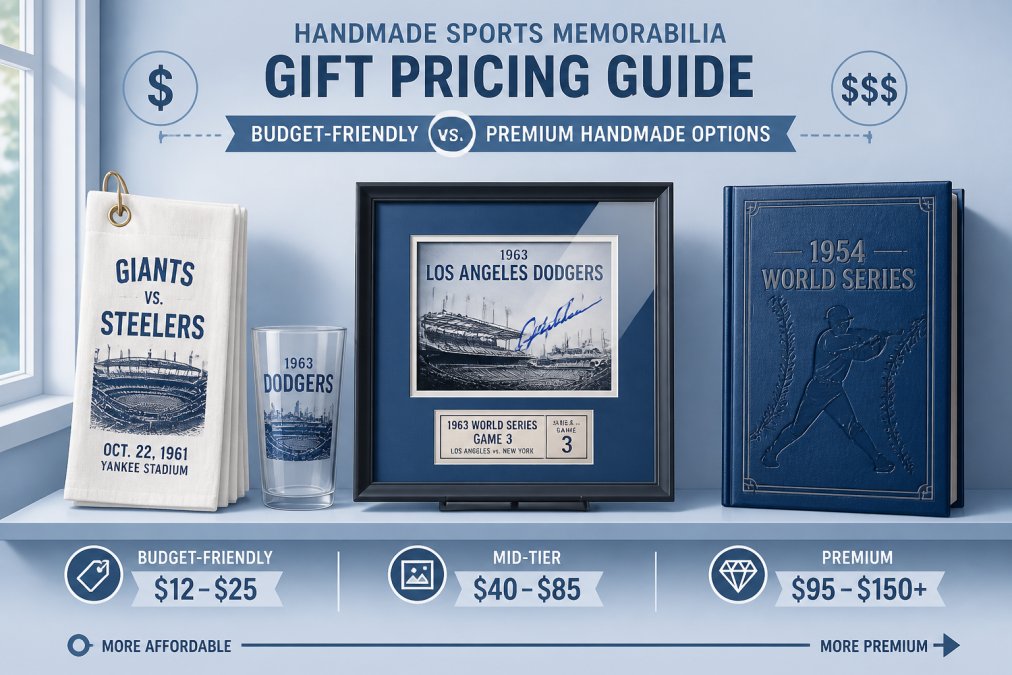
The gap between budget-friendly and premium handmade sports memorabilia gifts reflects different material choices, production timelines, and authentication levels.
Entry-Level Custom Pieces
Entry-level handmade pieces typically start around $25-75 and focus on accessibility without sacrificing quality. A 1941 Baseball Boston Golf Towel at $23.95 represents this tier: quality microfiber construction with vintage imagery, practical functionality, and genuine craftsmanship without premium customization.

These pieces work well for casual fans, office gifts, or collection additions without major investment. The materials are solid and the design thoughtfully executed. Entry-level custom work typically involves selecting from existing design templates or limited customization options. Production time is faster because the artisan isn't starting from scratch, shipping within 1-2 weeks rather than 4-6 weeks.
Investment-Grade Collectibles
Premium handmade sports memorabilia gifts in the $300-1,000+ range represent a different category. These pieces use museum-quality materials, extensive customization, and often incorporate authenticated memorabilia as the centerpiece.
An investment-grade piece might feature hand-selected vintage fabric, custom framing designed by a professional, certificate-of-authenticity documentation, and materials chosen specifically for longevity. The production timeline stretches to 6-12 weeks because each element receives individual attention. Premium pieces often include protective measures like UV-resistant framing, archival-quality backing, and climate-controlled storage recommendations. They're designed to appreciate in value or hold value over decades.
The Psychology of Gift-Giving in Sports Fandom
Sports memorabilia gifts tap into deep emotional connections that generic presents cannot reach. A vintage 1961 Giants vs. Steelers Golf Towel isn't just a towel; it might represent a father-son game attendance, a championship season, or a player who defined someone's childhood. When a gift acknowledges that specific memory, it transcends the material object.

Handmade sports memorabilia gifts signal intentionality in a way mass-produced items cannot. The giver clearly invested time researching the recipient's preferences, sourcing appropriate memorabilia, and commissioning custom work. This effort communicates genuine care.
The nostalgia factor amplifies emotional impact. Vintage design elements, faded colors, period-accurate typography, and worn aesthetics trigger powerful memory associations. A 1941 or 1956 era design transports the viewer to a specific time period, often when they fell in love with sports.
A handmade piece beautiful enough to display becomes part of the recipient's home environment. Every time they see it, they're reminded of the thoughtfulness behind the gift. This repeated reinforcement deepens emotional impact far beyond what a typical gift achieves.
When someone knows a handmade sports memorabilia gift represents real financial commitment, the perceived value increases. We tend to value things more highly when we understand what someone sacrificed to give them.
Maintenance and Preservation Costs for Your Collection
Handmade sports memorabilia gifts aren't maintenance-free. Understanding preservation costs helps you budget realistically and protect your investment long-term.
Basic maintenance for fabric-based pieces involves proper washing and storage. Use cold water, gentle cycles, and mild detergent. Avoid bleach and high heat. Dry flat rather than machine drying to prevent fading and material degradation.
For framed or display pieces, environmental control matters. Temperature fluctuations and humidity changes degrade both fabric and paper components. Stable indoor climate, ideally 65-75°F with 30-50% humidity, preserves pieces indefinitely. Investing in a climate-controlled storage area or display case might cost $100-500 but protects pieces worth thousands.
UV protection is essential for any displayed memorabilia. Direct sunlight fades vintage colors rapidly. UV-filtering glass or acrylic in frames costs $50-200 but prevents damage that would otherwise render a piece significantly less valuable.
Professional conservation services exist for pieces showing damage or deterioration. Conservation cleaning might cost $75-200. Fabric stabilization or repair could range from $100-500. These services are worthwhile for investment-grade collectibles.
Insurance represents another preservation cost worth considering. A homeowner's policy might not adequately cover high-value handmade sports memorabilia gifts. Specialized collectibles insurance typically costs 1-3% of the item's appraised value annually. For a $2,000 piece, that's $20-60 per year.
Resale Value and Investment Potential
Understanding resale value helps inform pricing and purchasing decisions, even if investment isn't your primary goal.
Entry-level pieces typically hold 40-60% of their original purchase price in resale markets. A $50 custom towel might fetch $20-30 on secondary markets. This isn't because quality degraded; handmade pieces don't command premium resale value unless they're from recognized artisans or feature exceptionally rare memorabilia.
Investment-grade collectibles behave differently. Pieces featuring authenticated vintage memorabilia, professional framing, and documentation can appreciate or at minimum hold value. A $500 custom piece featuring a hand-signed vintage item might resale for $400-600 depending on market conditions.
Provenance matters enormously. A piece with clear documentation of the memorabilia's origin and authentication holds value better than one without. Condition preservation directly impacts resale; pieces stored properly and protected from light damage command higher prices.
The artisan's reputation affects resale value too. Work from recognized craftspeople or established studios carries more collector interest than anonymous custom work.
Handmade sports memorabilia gifts represent a unique intersection of craftsmanship, emotional value, and investment potential. Whether you're shopping for an entry-level piece or commissioning a premium investment-grade collectible, understanding what drives pricing helps you make confident decisions. MoonlightWeave specializes in transforming vintage memorabilia into functional, beautiful pieces, from golf towels featuring 1941 Boston baseball imagery to custom-designed home accessories. These aren't just products; they're tangible connections to sports history and cherished memories. Start exploring pieces that celebrate your favorite teams and eras, and discover how handmade quality transforms nostalgia into everyday enjoyment. Continue shopping
Frequently Asked Questions
How much does it cost to get sports memorabilia appraised?
Professional appraisal costs typically range from $50 to $300 depending on the item's estimated value and complexity. Basic appraisals for common collectibles cost less, while high-value signed memorabilia or rare vintage pieces may require certified appraisers charging by the hour ($75-$200/hour). For handmade sports gifts using vintage memorabilia, you may only need appraisal if the original items are particularly valuable. Many collectors skip formal appraisal for sentimental pieces and focus instead on fair market pricing guides.
What factors influence the price of handmade sports collectibles?
Key pricing factors include material quality (microfiber vs. cotton), craftsmanship level, authenticity of the vintage imagery used, item rarity, condition of original memorabilia, customization complexity, and artist reputation. Limited-edition pieces command higher prices than mass-produced alternatives. Handmade items featuring hand-signed or autographed memorabilia cost significantly more than those using printed reproductions. Custom framing, display-case quality, and certificate-of-authenticity documentation also affect final pricing.
Is handmade sports memorabilia considered a good investment?
Handmade sports memorabilia can appreciate in value, particularly if crafted from authentic, limited-edition, or historically significant vintage items. Investment-grade pieces featuring mint-condition collectibles or rare player-signed memorabilia tend to hold value better than mass-produced alternatives. However, investment potential depends heavily on the original memorabilia's provenance, condition, and market trends. Handcrafted pieces also offer emotional and decorative value beyond financial returns, making them worthwhile gifts even if investment appreciation isn't guaranteed.
How do I determine a fair price for a custom-made sports gift?
Fair pricing depends on the source material's value, the artisan's skill level, materials used, and market comparables. Start by researching similar handmade items, ready-made vintage-inspired golf towels, for example, typically range from $23.95 to $45. For custom work using your own memorabilia, request quotes from multiple makers and ask about their authentication processes and quality guarantees. Consider the time investment, material costs, and any certificate-of-authenticity documentation included. Always compare pricing against mass-produced alternatives to understand the handmade premium you're paying.
This article was written using GrandRanker